By Aishatu Kabu Damboa
Over the years, our journey in Borno State has been one of resilience, courage, and indeed a strong spirit in the face of unprecedented challenges, ranging from conflict, poverty and natural disasters such as the September 2024 flood. But as we strive towards a future of sustainable peace and prosperity, it becomes unequivocally clear that active participation of women is not merely an option, but a fundamental necessity. The empowerment of women, particularly through the twin pillars of education and leadership is a reliable way for transformative change and enduring progress in Borno.
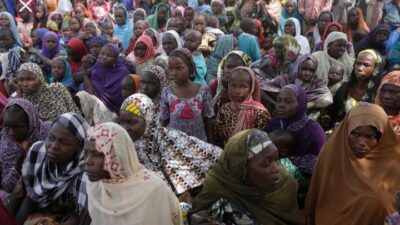
Education is the backbone of any thriving society. For women in Borno, education is a powerful tool that unlocks potential, broadens horizons, and equips them with the knowledge and skills necessary to navigate and shape their world. It is unarguable that the over a decade long insurgency has affected access to education, especially for girls, leading to significant educational disparities.
In recent years, several studies have consistently shown the importance of women’s education and their participation in leadership, some of the major areas include;
Achieving improved health outcomes, this is basically because educated mothers are more likely to seek prenatal care, vaccinate their children, and adopt better hygiene practices, leading to reduced maternal and child mortality rates.
Another area is that when women are educated, they can access better employment opportunities, start their own businesses, and contribute significantly to household income and the local economy. This is crucial for rebuilding livelihoods in post-conflict settings like our dear state.
In the aspect of leadership, women leaders are more likely to advocate for policies that address the specific needs of women, children, and marginalized groups, ensuring that development initiatives are equitable and effective.
Additionally, in the aftermath of the Boko Haram insurgency, we have witnessed how women played a pivotal role in maintaining social fabric and mediating conflicts at the grassroots level. Education fosters critical thinking, promotes tolerance, and empowers women to become active agents in peacebuilding and conflict resolution efforts within their communities. So, empowering women to take formal leadership roles in peace processes and community reconstruction efforts can lead to more sustainable peace outcome.
Lastly, when young girls see women in positions of power and influence, it shatters traditional barriers and inspires them to aspire to similar roles, creating a virtuous cycle of empowerment for next generation in communities like ours where culture and harmful norms are deeply rooted.
As I speak before you all here today, it is important that i equally outline some measures to enhance women empowerment in both education and leadership as we move forward to build a better Borno state;
Number one is connecting aspiring women leaders with experienced mentors who can guide and support their personal and professional development.
Secondly, empowerment through leadership trainings, public speaking skills, and governance education can enhance understanding of the civic space among young women and validate their aspiration.
Thirdly, continues advocacy for affirmative action where appropriate, advocating for policies that ensure women’s representation in political and decision-making bodies.
And finally, Challenging Societal Norms by engaging communities in dialogues that promote gender equality and recognize the value of women’s leadership.
By and Large, I want us to note that we must prioritize initiatives that ensure women and girls have access to quality education by working collaboratively among government, civil society organizations, international partners, traditional and religious leaders, and communities themselves to dismantle barriers and create an environment where every woman and girl in Borno can realize their full potentials. Because I believe the synergy between education and leadership for women is a powerful engine for Borno’s progress. It is not merely about fairness or human rights, though these are undeniably crucial. It is about smart economics, effective governance, and sustainable peace.
By investing in women’s education and leadership, we are not just investing in women; we are investing in the future of Borno State, ensuring a pathway to lasting peace, prosperity, and progress for generations yet unborn.
Thank you.