

By Fatima Abubakar Maidugu
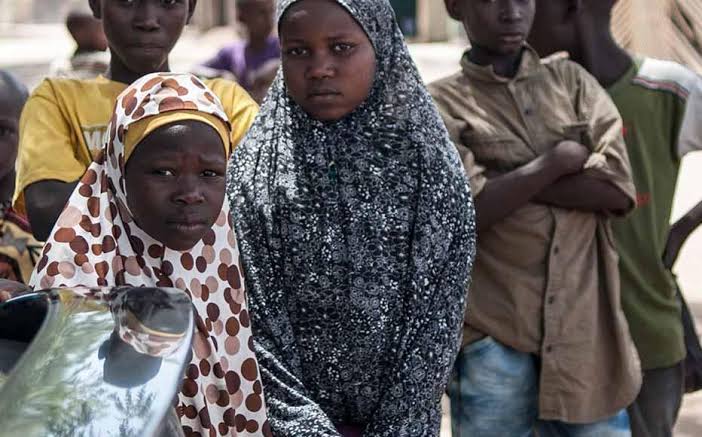
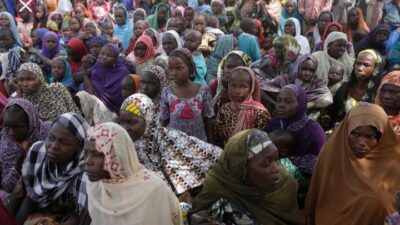
The Boko Haram insurgency has displaced thousands of children in Maiduguri, leaving them without access to education or necessities. Their lives can be described as harsh, characterised by scarce resources that endanger their well-being. Street children, in particular, are often forced into hawking, making them vulnerable to abuse, exploitation, and violence.
Education is defined as the process of acquiring knowledge, skills, and values through learning.
An 11-year-old street hawker named Adama, who is dark in complexion and about 4 feet tall, reflects on her difficult life as a hawker. During a deeper interview, she shared her heartbreaking story:
“I lost my parents during the Boko Haram insurgency in Borno State, and ever since then, I haven’t heard from my siblings. I’m under the care of my uncle, who has forced me into this situation as it is the only way we can survive.”
Adama, like many other street hawkers, expressed her admiration for the young children attending school and accessing formal education an opportunity she has been denied.
Despite her struggles, she is aware of non-governmental organisations (NGOs) such as the World Food Programme (WFP) and Save the Children.
We urge the government to take action, as many victims of the insurgency, like Adama, are unaware of these organisations and have never benefited from their assistance. A comprehensive strategy should be developed to reach out to these vulnerable individuals and provide them with a chance for a better life, which they deserve.



Responses (14)