

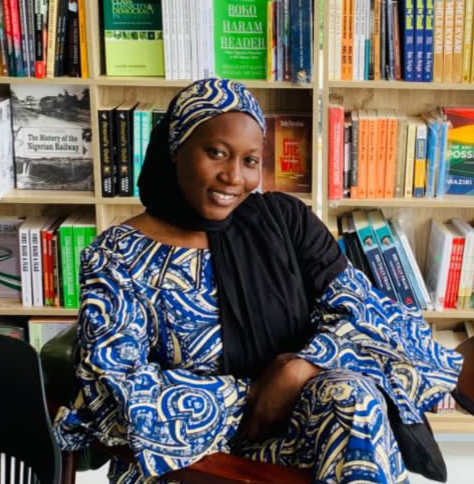
By Aisha Yusuf Sabo
I first learned the word “barren” in Ifeoma Okoye’s novel, *Behind The Cloud*. As a 12-year-old, I felt a deep empathy for Ije Apia, wondering why she had to endure so much simply because she was “childless.”
From accusations by her mother-in-law to visits to various hospitals, encounters with faith healers and herbalists, emotional breakdowns, and ultimately her husband Dozie’s betrayal, the book was an emotional yet beautifully crafted read.
Set in 1970s Nigeria, Okoye captured the painful experience of being labelled a “barren” woman in that era. Shockingly, the story of a childless woman’s plight remains relevant even today in the 21st century.
As a teenager, I read *Behind the Cloud* repeatedly until the pages began to tear. Over time, as I witnessed similar struggles within my family and among friends, I began to understand Ije Apia’s pain. Recently, as an adult, I reread the book, yet I still find it difficult to comprehend why women face various forms of mistreatment simply because for one reason or another—often no reason at all—they are unable to conceive.
Having grown up witnessing the societal treatment of women labelled “childless,” I have learned that this is a topic society finds challenging to discuss. In a judgmental society like ours, infertility remains a deeply stigmatized issue; women struggling to conceive often find themselves ensnared in a web of societal expectations, negative comments, and emotional turmoil.
In the novel, Beatrice, who shares Ije’s situation, says, “A childless woman in our society does not realize the extent of her handicap until she grows old.” It is well recognized that children care for their parents in old age, but why does being childless automatically translate to suffering in later years? Statements like this make it increasingly difficult for those in such predicaments, causing them to question their worth. Astonishingly, such beliefs persist.
In most cases of childless couples, the blame rests heavily on the woman, who bears the entire burden. This was true for the Apias as well. However, Dozie later discovered that he was the source of their childlessness.
This revelation reshaped the harsh reality that infertility affects both men and women. Sadly, societal pressure to conceive often places the blame squarely on the woman, regardless of the underlying cause. This pressure arises from age-old beliefs that equate a woman’s value with her ability to bear children, creating an environment where silence and shame are more common than support and understanding, further amplifying the emotional burden they bear.
Infertility is more common than we realize, affecting approximately one in six people worldwide. A report by the World Health Organization (WHO) in April 2023 revealed that 17.5% of the adult population is affected. In many cultures, the concept of womanhood is intricately tied to motherhood. Family members and relatives often ask intrusive questions, while friends and colleagues make insensitive comments. The fear of judgment, coupled with the absence of open discussions, complicates women’s access to medical care and acknowledgement of their struggles.
For many women, infertility results from medical conditions stemming from various factors, including hormonal imbalances, fallopian tube damage, polycystic ovarian syndrome (PCOS), male infertility, and even environmental influences. However, for others, the situation may differ entirely.
With advancements in modern medicine, treatments like in vitro fertilization (IVF), fertility drugs, and surgery have helped countless women and couples conceive. Yet many women in Nigeria remain unaware of these options due to a lack of education, inadequate healthcare infrastructure, and the high costs associated with fertility treatments.
One significant challenge is the scarcity of mental health support. Infertility is an emotionally taxing journey, and the anxiety, disappointment, and despair accompanying multiple failed attempts at conception can severely affect mental well-being. Unfortunately, awareness about the emotional strain of infertility remains limited; hence, many women suffer in silence. As a way forward, mental health counselling should be made more accessible, both within healthcare settings and through support groups where women can openly discuss their feelings without the fear of judgment.
Moreover, there is a need to move beyond the stereotypes surrounding childless women. A first step toward that is to show support by embracing a more inclusive narrative. As a society, we must all contribute to breaking down the stigma surrounding infertility and promote more supportive attitudes toward women grappling with this issue.
Family and community support are equally vital for women experiencing infertility. In many cases, family members, especially in-laws, contribute to the pressure by subtly blaming the woman for the childlessness. Families and communities must understand that emotional support is essential for women navigating this challenging journey.
Aisha Yusuf Sabo writes from Kaduna state.




Responses (13)