

By Abubakar Ibrahim
Yola, Adamawa State
Residents of Sebore, a historic community in Yola South Local Government Area of Adamawa State, have expressed deep frustration over what they describe as decades of neglect, lack of basic infrastructure, and political underrepresentation at both the state and national levels.
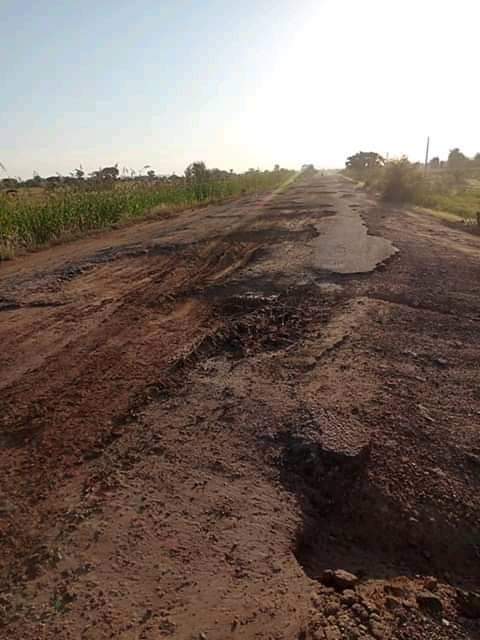
Founded over 200 years ago, Sebore remains without essential amenities such as motorable roads, electricity, potable water, and proper educational facilities—conditions that community members say have worsened in recent years despite repeated appeals to government authorities.
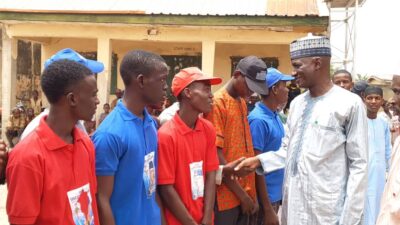
In a special fact-finding visit by our reporter, residents shared harrowing accounts of abandonment and exclusion from the dividends of democracy. Many described their current living conditions as unacceptable and blamed successive governments for turning a blind eye to their plight.
“Our community lacks almost everything that defines development,” said Alhaji Gambo Abubakar, the Sarkin Sullubawa of Yola South, who spoke on behalf of the community. “We are only asking for basic needs — a 6-kilometre road to link us to other parts of Yola, access to electricity, clean water, and classrooms where our children can learn in dignity. Is that too much to ask?”
According to Alhaji Gambo, the road connecting Sebore to the surrounding towns is nearly impassable, especially during the rainy season, making transportation of goods and access to healthcare and education extremely difficult.
Another community leader, Bawuro Bubare, emphasized that poor political leadership is at the core of the issue.
“We’ve made several complaints through official channels, but nothing has been done. It’s as if we don’t exist. We are full citizens of this country, yet the government treats us like outsiders,” he lamented.
Residents also noted the complete absence of electricity as many rely on kerosene lamps and firewood for lighting and cooking. The water situation is equally dire, with families depending on unsafe wells and seasonal streams for daily needs.
In the area of education, the situation is particularly grim. Schools in the community are said to lack proper buildings, furniture, and learning materials. In some cases, pupils receive lessons under trees or in dilapidated mud structures.
In response to the concerns raised, Titus Solomon, Commissioner for Rural Development and Infrastructure in Adamawa State, acknowledged the complaints and promised that the government would look into the matter.
“We understand the challenges being faced by Sebore community. They are valid concerns. Government is currently assessing rural communities across the state, and Sebore is among those identified for intervention. We appeal for patience,” he said.
However, he did not provide a specific timeline for when development work would commence in the area.
Despite the promise, community members remain skeptical. For many, such assurances have been heard before—with no visible outcome.
“We’ve waited for too long. Our children are growing up in darkness and poverty. We deserve more,” said a youth leader, who preferred not to be named.
Sebore’s situation is a reflection of a broader issue facing many rural communities in Adamawa, where development often stops at the urban fringe. As the state continues to push forward with infrastructure projects elsewhere, residents of Sebore hope they will not remain on the wrong side of history.





Responses (14)