

By Sabiu Musa Haruna
Northern Nigeria is confronting a new and dangerous phase of insecurity as banditry and insurgent activities surge across Kebbi, Katsina, Borno and Yobe states. Despite repeated government assurances and ongoing military operations, residents say the threat is evolving far faster than the response. A weeks long investigation across affected communities reveals a region trapped between fear, displacement and deepening frustration.
In Kebbi State, for instance, villages in Danko Wasagu, Shanga and Zuru local government areas have suffered repeated attacks. Residents recount how bandits ride in long convoys of motorcycles, often arriving at dusk to raid homes, abduct villagers and steal livestock. Farmers warn that the violence has driven them away from their farmlands at the peak of the harvest season, putting this year’s crop yields at risk.
A community leader in Zuru, who requested anonymity for safety reasons, described the situation as “beyond alarming.” He said, “We sleep with one eye open. People are leaving the villages not because they want to, but because they can no longer survive the terror.”
Meanwhile, in Katsina, bandit attacks continue unabated in Batsari, Jibia and Faskari. Locals report that bandits often operate freely for hours before security reinforcements arrive. As a result, several communities have turned to forming informal vigilante groups, despite repeated warnings about confronting heavily armed criminal gangs.
Furthermore, while banditry dominates the north-west, the north-east continues to grapple with entrenched insurgency. In Borno, residents in and around Damboa, Gubio and Konduga say Boko Haram and ISWAP fighters still mount ambushes along rural roads. Humanitarian workers confirm that their movements remain restricted, limiting access to thousands of displaced people.
Similarly, in Yobe, especially across Gujba and Geidam, renewed attacks indicate that insurgent cells remain active. Although major towns are relatively secure, surrounding settlements continue to experience hit-and-run assaults. A youth leader in Geidam said many residents now avoid travelling after sunset due to fear of militant roadblocks.
Moreover, security sources link the rising wave of violence to porous borders with Niger, Chad and Cameroon. The uncontrolled movement of small arms and fighters allows armed groups to evade security sweeps and quickly regroup. Analysts also argue that worsening economic hardship is feeding recruitment into criminal networks.
A retired security officer in Maiduguri explained that “banditry and insurgency now operate like businesses. There is money in kidnapping, extortion and illegal mining. Unless the networks funding these activities are dismantled, the violence will continue.”
Although the military has intensified airstrikes in the north-west and conducted clearance patrols in the north-east, many residents insist that the presence of security personnel remains thin in remote areas. As a consequence, armed groups have entrenched themselves in forests and border corridors where patrols are rarely seen.
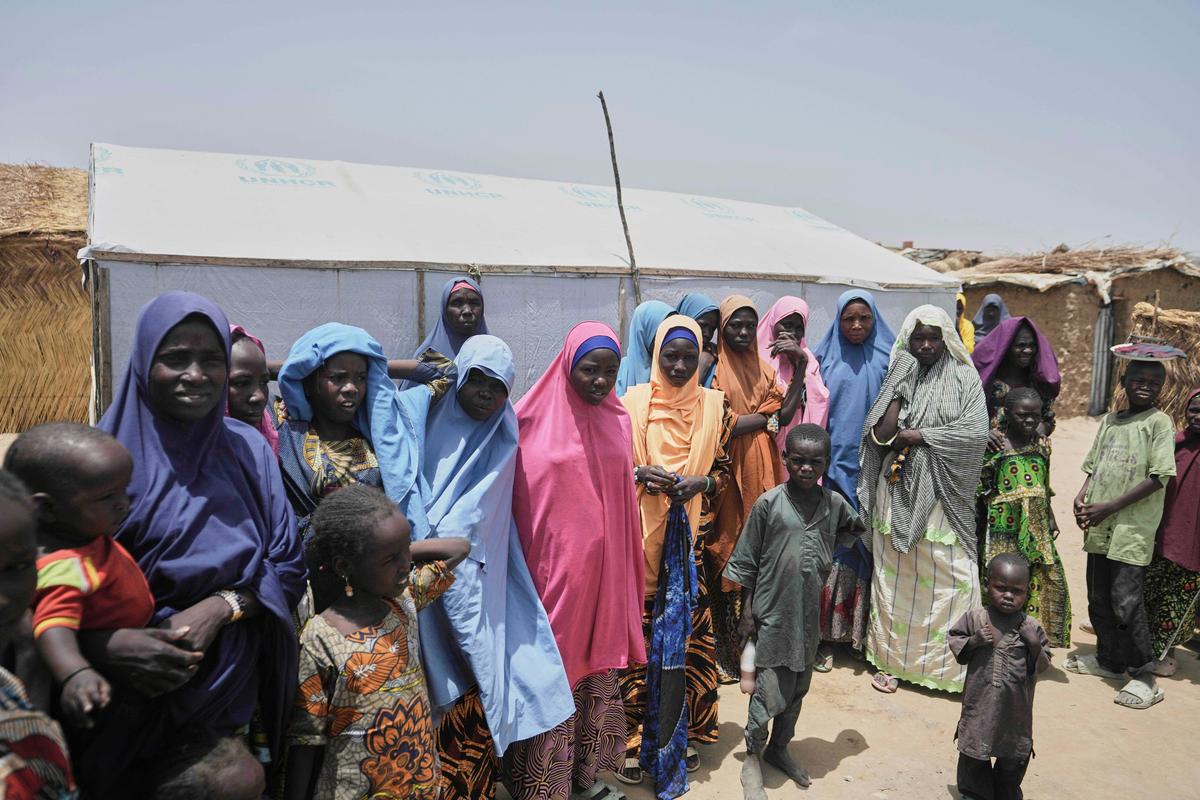
Meanwhile, the humanitarian fallout continues to widen. Displacement camps in Borno and Yobe are overstretched, while new arrivals from bandit-hit areas of Kebbi and Katsina are quietly swelling informal shelters. Agricultural disruption is also emerging as a serious concern, as farmers stay away from fields due to fear of attacks, risking food shortages across northern Nigeria. Experts warn this could worsen the fragile economy and deepen reliance on humanitarian aid.
Across the four states, frustration is growing. Many residents say they feel abandoned and unprotected. Civil society organisations are urging federal and state governments to adopt a more integrated security strategy that goes beyond military operations and includes enhanced border management, intelligence-led policing and targeted economic investments to weaken recruitment into armed groups.
Ultimately, from Kebbi to Yobe, citizens say they want nothing more than to live without fear. Mothers speak of children too frightened to attend school, while elderly residents worry about dying far from the homes they once cherished. And as northern Nigeria faces this escalating wave of insecurity, one truth remains clear: without urgent and sustained action, the region risks sliding into deeper instability with consequences that could reverberate across the entire country.






Incorporating AI tools like the AI Customer Service Assistant can streamline workflows, but it’s essential to balance automation with human insight for meaningful engagement.