

By Muhammad Tukur LK
As Nigeria approaches the 2027 general elections, political dynamics are starting to mirror the dramatic realignment of 2015, when a formidable coalition under the All Progressives Congress (APC) wrested power from the long-ruling People’s Democratic Party (PDP). This time, history appears poised to repeat itself—though under a new banner and backed by a diverse coalition of political heavyweights from across the country.
The emerging alliance brings together former presidential contenders, seasoned governors, technocrats, and grassroots mobilizers, and is gaining momentum as a credible alternative to the current establishment. The leaders of this coalition are not newcomers to power or influence; they are experienced political actors with strong roots in their respective regions and a proven ability to galvanise support.
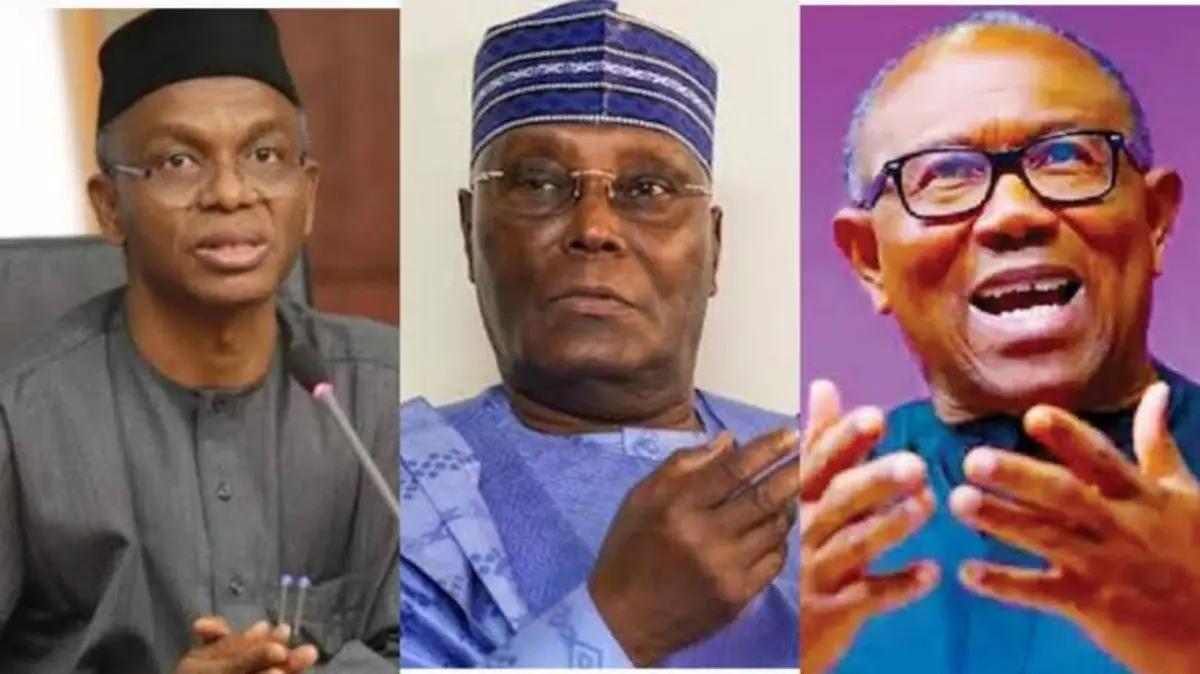
For instance, Atiku Abubakar from the North East is a veteran of Nigeria’s political landscape and remains a central figure in the coalition. The former Vice President and frequent presidential contender commands a robust political structure and an extensive national network. With deep connections in the North East and broad appeal among political elites and traditional institutions, Atiku is expected to play a key role, leveraging his influence to shape consensus and strategy within the coalition.
From the North Central region, David Mark—former Senate President and a pillar of stability in Nigeria’s legislature—brings his diplomatic acumen and legislative expertise to the coalition. His integrity and status as a respected elder statesman lend credibility and appeal to undecided voters and disillusioned political actors seeking a return to stable governance.
Peter Obi from the South East, the former Governor of Anambra State and 2023 presidential candidate, has emerged as a national figure, particularly among the youth and reform-minded electorate. His reputation for fiscal discipline, anti-corruption stance, and policy-driven leadership positions him as the moral compass of the coalition. Obi’s inclusion ensures that the coalition addresses the aspirations of a younger generation eager for transparent governance and economic reforms.
Additionally, the coalition features notable figures like Rotimi Amaechi from the South-South political stalwart, Amaechi brings energetic advocacy and significant electoral value. As a former Governor of Rivers State and federal minister, he has built enduring structures within the Niger Delta and beyond. His capacity to mobilise grassroots supporters and key political actors in the South-South makes him vital for bridging divides and consolidating southern votes.
Nasir El-Rufai from the North West is known for his bold and often controversial governance reforms. As the former Governor of Kaduna State, he led initiatives in education, urban renewal, and public sector reform. El-Rufai’s strategic mindset and policy-oriented approach will make him the architect of the coalition’s reform agenda and long-term vision.
Rauf Aregbesola, a prominent APC stalwart with deep roots in the South West, offers ideological clarity and a dedicated political base. A former Osun State Governor and federal minister, Aregbesola has consistently championed progressive causes. His ability to mobmobilisepport in the Yoruba heartland could prove decisive in swaying the region’s vote in favfavour the coalition.
What sets this coalition apart is its truly national character, encompassing Nigeria’s six geopolitical zones and blending technocrats with grassroots politicians. If managed effectively, this alliance could present the most credible challenge to the ruling party since 2015, especially if they unite under a single platform with a clear ideological direction.
However, the road to 2027 is fraught with challenges. The success of this coalition will depend on its ability to reconcile personal ambitions, navigate complex regional interests, and craft a compelling narrative that resonates with the electorate. Nigerians are yearning not just for a change of faces but for a transformation in governance, accountability, and national cohesion.
As the political chessboard continues to shift, one thing is clear: the stage is set for a potentially historic realignment. Just as the APC coalition disrupted the status quo in 2015, this new coalition, driven by experience, diversity, and ambition, could once again reshape Nigeria’s political future in 2027.



Responses (15)