In the heart of Gombe State lies an Emirate whose history is as rich as its soil and as vibrant as the people who call it home. The story of Akko Emirate is a blend of scholarship, migration, leadership and age-long traditions shaped over two centuries. From its foundation in the early 1800s to its modern status as a thriving cultural institution, Akko remains one of the most fascinating historical landscapes in northeastern Nigeria.
The historical foundation of Akko Emirate can be traced to the era of the Sokoto Jihad (1804), a defining movement led by the great reformer Shehu Usman Ɗanfodiyo. During this transformative period, two outstanding scholars, Bubayero, founder of the Gombe Emirate, and Amada Gona, the founding father of Akko administration, played a central role in the spread of Islamic learning and traditional governance.
Both men were products of the same intellectual journey. Together, they travelled to Sokoto, studied under Shehu Ɗanfodiyo, and returned home armed with knowledge, discipline, and a vision for building a new socio-religious order. Upon their return, Bubayero established the Gombe Emirate, and in the same wave of administrative expansion, Akko District came into existence with Amada Gona as its pioneer administrator.
From its inception, Akko stood out as a district of strength and influence. It held the prestigious status of Galadima, one of the most powerful titles in the traditional hierarchy of Gombe. The district grew rapidly, covering a vast territory and serving as the administrative nucleus for surrounding communities.
Historical records show that before the creation of modern emirates, Akko District had jurisdiction over four major territories that later evolved into independent emirates: Pindiga Emirate, Gona Emirate, Dabe Emirate, Yamaltu Emirate. These entities were carved out during the administration of the former Governor of Gombe State, late Alhaji Abubakar Habu Hashidu, who recognized the cultural and administrative capacity of these territories.
This period laid the foundation for the eventual elevation of Akko District to a full Emirate, a transformation that reinforced its historical importance and cultural pride. In 2021, history smiled upon the people of Akko when the district was formally upgraded to Emirate status. This monumental decision returned Akko to its rightful place among major traditional institutions in Northern Nigeria.
The first to sit on this dignified throne was Alhaji Muhammadu Baba Ahmed, a respected elder whose reign signified continuity and tradition. He led the Emirate with dignity, presiding over ten district heads and creating a stable foundation for future leadership.
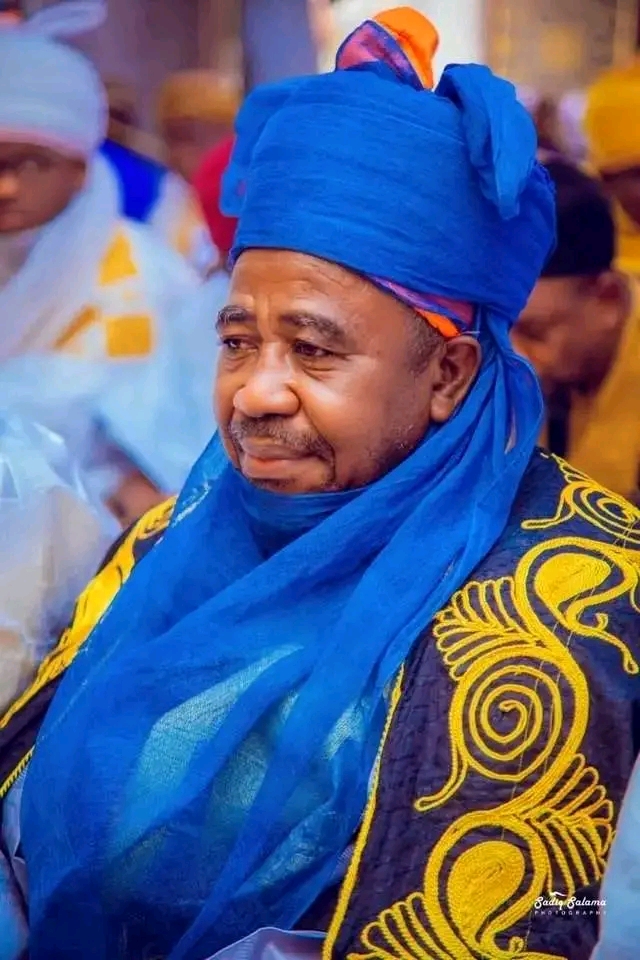
After his dethronement in 2004 by the then Governor, Alhaji (Dr.) Muhammad Danjuma Goje, Alhaji (Dr.) Umar Muhammad Atiku was appointed as the second Emir of Akko. Emir Atiku continues to rule with wisdom, compassion, and vision, guiding Akko into a new era of educational growth, economic expansion, and cultural renaissance.
Agriculture sits at the heart of Akko’s economy. Its soil is remarkably fertile-capable of producing virtually any crop planted in it. Farmers from across the region rely on Akko’s vast farmlands to cultivate grains, legumes, vegetables, and other staples.
Beyond crop production, Akko is home to numerous Fulani pastoralists who contribute to the region’s dairy and livestock economy. Their cattle supply milk, butter, and meat to markets across the state, while also sustaining centuries-old traditions of herding and nomadic livelihood.
This combination of farming and pastoralism makes Akko a natural candidate for agro-economic development in Nigeria. The cultural identity of Akko Emirate is beautifully expressed through its food, arts, and traditional practices. Among the most cherished local dishes are: Tuwon Masara da Miyan Kuka, Tuwon Biski, Fura da Nono, Kunu da Kosai. These foods are not merely meals, they are memories, heritage, and communal symbols that connect generations.
Akko is also well known for its artisans and craftsmen. Local industries flourish, producing: Randuna (traditional milk pots), Kasko na masa, Clay pots and household utensils, Leather goods, Fine tailoring, Livestock and grain trading. These traditional skills continue to sustain families and enrich the local economy, making Akko a vibrant cultural hub.
Over the centuries, the administrative headquarters of Akko moved several times, reflecting the dynamic history of the people. It shifted from Amada Gona to Deba, then to Pandaya, later near Jauro Gale, and finally to Kumo, where it stands today. The political structure of early Akko placed it under the authority of the Galadima of Gombe, with numerous village heads (Ardos), and reporting to the District Head. This structure connected communities, ensured order, and preserved local governance, laying the groundwork for the modern Emirate structure.
Akko Emirate is proudly known for maintaining cultural festivals that draw spectators from within and outside Gombe State. Among the most popular is the Hawan Daushe during Sallah, a grand display of horses, costumes, music, and traditional regalia. It is a celebration of identity, unity, and strength. Another significant event is the Akko Annual General Meeting (AGM), held every December. This gathering unites sons and daughters of the Emirate to assess achievements, discuss challenges, honour outstanding contributors, and plan for the year ahead. It is a powerful testament to the unity and forward-looking spirit of the Emirate.
One of Akko Emirate’s greatest achievements is the peaceful coexistence of Muslims, Christians, farmers, and herders. The Emirate plays an active role in conflict resolution, dialogue promotion, and maintaining harmony, making it a model of peaceful living in a diverse society.
Akko Emirate is a melting pot of vibrant cultures, proudly inhabited by Fulani, Hausa, Tangale, Waja, Tera, Jukun, Kanuri, Jonjo, and many other ethnic groups. This remarkable diversity forms the heartbeat of the Emirate, where different traditions, histories, and identities blend seamlessly into one united community. Together, these tribes have shaped Akko into a land of shared heritage, mutual respect, and enduring cultural brilliance.
Akko Emirate is more than a geographical expression, it is a living heritage. From the scholarship of Ɗanfodiyo’s era to the modern leadership of Emir (Dr.) Umar Muhammad Atiku, Akko has preserved its identity while embracing progress. Its history is rich, its culture deep, and its people resilient.
For historians, researchers, and lovers of tradition, Akko Emirate stands as a unique story, one of courage, migration, faith, leadership, and cultural beauty. It is a heritage worth celebrating, preserving, and passing on to future generations.