

Mustapha Muhammad Gimba
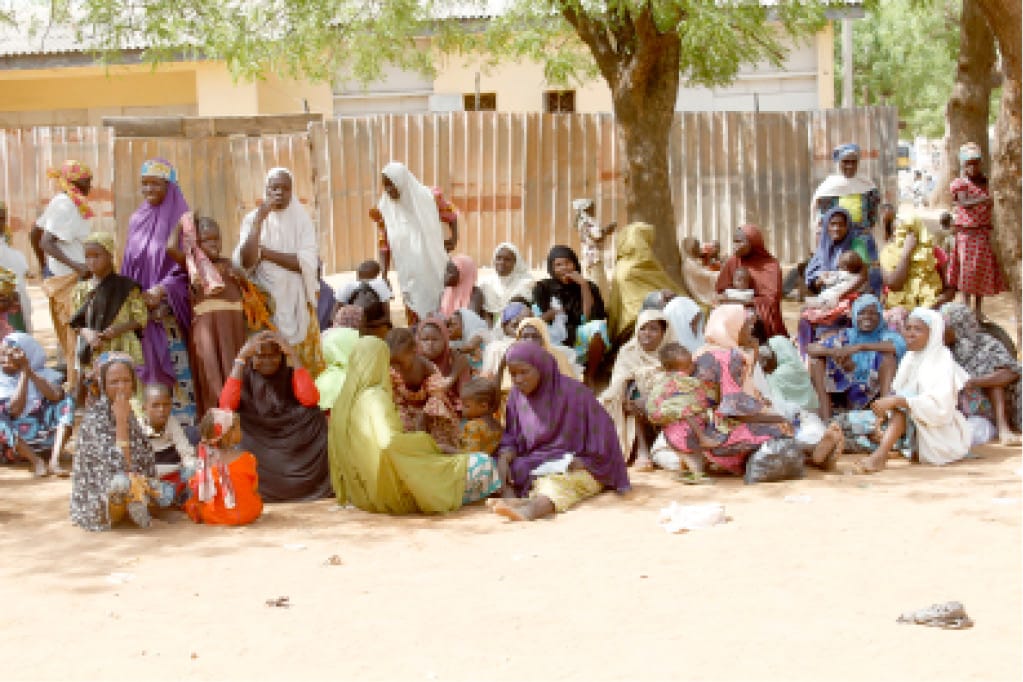
Kankara Local Government Area in Katsina State has become a symbol of the worsening security crisis in Nigeria’s North-West. This crisis has left entire communities displaced, farmlands abandoned, livelihoods destroyed, and families trapped between the failure of the state and the rising influence of armed bandit groups.
For years, villages in Kankara have endured sustained attacks, mass abductions, extortion, and the burning of homes. Hundreds of residents have fled their ancestral lands, leaving behind vast areas of uncultivated land and crops that never reached harvest. The economic impact is devastating, with millions of naira lost to ransom payments, daily losses of agricultural produce, and the collapse of the region’s agricultural backbone, as Kankara is a significant food source for the state.
Recently, the situation has taken an even more distressing turn, signalling a complete breakdown of state authority. Bandits now impose levies and decide who lives or dies.
In a particularly alarming event, a notorious bandit kingpin known as Babaro allegedly imposed a levy of ₦50 million on the residents of Ƴargoje, a major community in Kankara LGA. A resident who spoke under strict anonymity reported that Babaro told community representatives the levy was necessary to “buy more weapons and vehicles” to protect the town and ensure the survival of a so-called “peace agreement” he claimed to have established with them.
According to the source, Babaro informed the community that the money would be used to “guard their lives and property against those who rejected the peace deal from another bandit clan.” He allegedly warned that if the people of Ƴargoje did not pay, they should not expect his help “when another gang attacks, raids their homes, or abducts their children.”
When discussing the community’s response to such a demand, the resident stated with resignation, “We have no other option. The government has abandoned us. Security forces rarely come here. For years, we have been left to fend for ourselves. Now we depend on Babaro and his men for our safety because the government is no longer capable of defending us.” For many in Kankara, this reflects a harsh reality: bandits have become the new authority. They dictate who farms, who pays, who goes to school, who is kidnapped, and who survives.
Residents across Kankara lament the deteriorating security situation that persists despite repeated promises from state and federal authorities. In many communities, families sleep in the bush to avoid night raids. Farmers abandon fertile lands for fear of attack while working in the fields. Young people migrate to urban centres, leaving behind ghost villages. Parents spend their savings on ransom instead of education. Markets are shrinking, livestock is disappearing, and economic activity is collapsing. In several villages, even attending weekly markets has become a dangerous gamble, as bandits often target roads and large gatherings for mass abductions.
The rise of bandits as de facto authorities in Kankara is transforming the region into a dangerous system where, despite repeated petitions, protest letters, and calls for intervention, many feel the government has failed to provide meaningful relief. Security presence is minimal or temporary, disappearing as soon as the attackers regroup. Communities that once trusted the state to protect them now rely on armed men operating outside the law.
“Our government has abandoned its fundamental responsibility,” lamented a community elder. “We are now ruled by fear. The bandits are the government here. They protect us, threaten us, tax us, and punish us everything the government should do, they are doing now.” The imposition of the ₦50 million levy on Ƴargoje marks a turning point, signalling that bandits are not only attacking communities but also governing them.
This is the reality of Kankara today a place where state governance is fading, where fear dictates daily life, and where ordinary citizens must pay heavily for the illusion of security.
Residents are once again calling for urgent government action. The collapse of security in Kankara is not just a local tragedy; it poses a regional threat with national implications. Allowing non-state armed groups to impose levies, control territories, and dictate the lives of citizens represents a clear erosion of the social contract that holds any nation together. Unless meaningful security interventions are implemented beyond temporary raids to include sustained protection, economic rehabilitation, and community engagement Kankara may continue its descent into lawlessness, and bandit warlords may strengthen their grip.

In the fast-paced world of AI, tyy.AI Tools is a game-changer for discovering efficient solutions. Their AI Hashtag Assistant alone is a must-try for marketers looking to boost engagement.
Really insightful article! Understanding RTP is key, and platforms like phspin link seem to prioritize that with their game selection. The KYC process is a bit of a hassle, but necessary for secure play, right? Great read!