

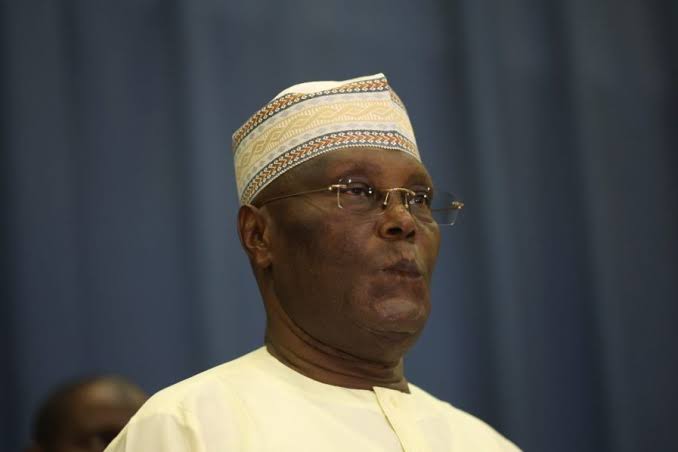
Comparing Atiku Abubakar and Rabiu Kwankwaso in terms of political strength is, at best, a misguided analysis. Atiku’s political stature, national influence, and strategic maneuvering place him in a league far beyond Kwankwaso. While Kwankwaso enjoys strong regional support, particularly in Kano, Atiku has established himself as the go-to opposition leader, attracting high-profile politicians whenever they seek to challenge the ruling party.
One of Atiku’s defining characteristics is his ability to provide a platform for discontented politicians seeking to challenge the status quo. This has been evident throughout his political career, with figures such as Senator Bindow, Senator Abbo, Hon. Gudaji Kazaure, and even rumors surrounding Mallam Nasir El-Rufai engaging with him. His stature as a formidable opposition leader is unmatched, making him the preferred choice for high-profile politicians looking to assert their influence against the ruling government.
On the other hand, Kwankwaso’s influence remains largely regional. Beyond Kano, there is little evidence of strong national figures aligning with him in a way that signals a major political shift. Unlike Atiku, he has not been able to consolidate a broad-based national opposition movement that can challenge the ruling party on multiple fronts.
Some argue that Kwankwaso’s performance in the 2015 APC presidential primaries proves his superiority over Atiku. However, this perspective ignores the political reality of that contest. Delegates in Nigerian politics often operate within pre-arranged power structures, and Atiku himself knew that the ticket was strategically positioned for Buhari. This explains why he did not invest heavily in that race.
A more accurate measure of Atiku’s political strength is his ability to outmaneuver powerful figures like Wike in the 2023 PDP primaries, securing the presidential ticket despite intense opposition. His political mastery was further evident when Governor Tambuwal stepped down in his favor at the last minute, showcasing his deep influence within party politics. In contrast, Kwankwaso has yet to demonstrate such strategic political dexterity on a national level.
For Kwankwaso’s supporters, the current political landscape presents a critical choice. The return of Ganduje as APC Chairman signals a renewed push to reclaim Kano, and his influence cannot be underestimated. Unlike Kwankwaso, Atiku has weathered numerous betrayals and still commands a loyal political base across multiple states.
If Kwankwaso’s camp fails to recognize Atiku’s broader political strength, they may find themselves politically isolated. The reality is clear: aligning with Atiku presents a stronger opposition strategy than standing alone against a resurging APC, especially in Kano.
Atiku Abubakar remains Nigeria’s most formidable opposition leader, with a deep-rooted network of political alliances, strategic foresight, and national influence. While Kwankwaso has a dedicated following in Kano, his reach and strategic depth do not compare to Atiku’s. Moving forward, political survival in the face of APC’s resurgence may depend on recognizing Atiku’s pivotal role in shaping the future of opposition politics.

Responses (15)