

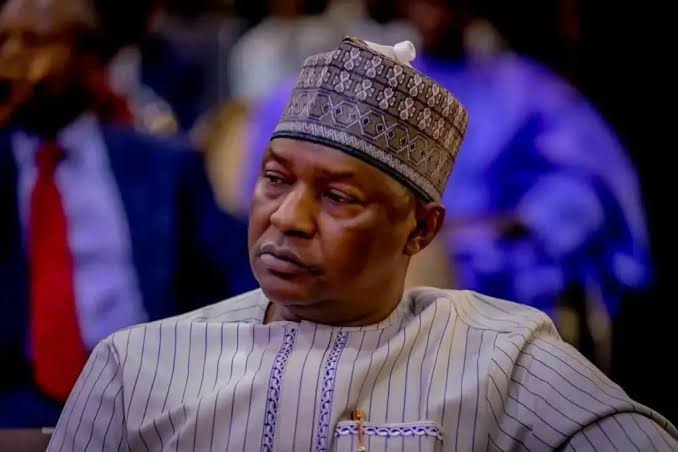
By Ismail Sulaiman Sani
Since Nigeria’s return to democracy in 1999, Kebbi State has produced four governors: Muhammad Adamu Aliero, Sa’idu Usman Nasamu, Atiku Bagudu, and Nasir Idris. Each, except the current governor, completed two terms. Yet Kebbi’s politics has remained largely inward-looking, with little projection onto the national stage.
Aliero, for instance, became senator and later minister, but his ministerial role was a presidential nomination rather than a product of national political clout. He continues to serve as senator without showing ambition for bigger positions. Bagudu, the immediate past governor, is now a minister, but his presence has not given Kebbi any real visibility. His role, like Aliero’s, reflects appointment without influence.
Malami, however, stands apart. As Attorney General and Minister of Justice, he placed Kebbi politics at the center of Nigeria’s legal and political debates. Though his position was also a nomination, Malami’s national stand gave Kebbi a weight it had not enjoyed before. He became a strong voice, often seen as a counterbalance to former governors within the ruling party. This contrast is telling: Malami’s visibility showed Kebbi’s potential, while Aliero and Bagudu remained limited in scope.
Elsewhere in Nigeria, politicians have used their state positions to rise nationally. Attahiru Bafarawa, Ahmad Sani Yariman Bakura, Ibrahim Shekarau, Sule Lamido, Abdullahi Adamu, and Rabiu Kwankwaso all contested for president. Umaru Musa Yar’adua even became president. Aminu Tambuwal rose from Speaker of the House of Representatives to governor, Abdulaziz Yari tried for Senate President, Yahaya Bello sought national relevance, and Nasir El-Rufai shaped national politics as FCT minister and governor. Kano produced two Speakers of the House, Kaduna has the current Speaker, and Katsina once had Aminu Masari as Speaker. These examples show how political capacity can grow beyond state borders, giving their states visibility and influence.
Why does this matter? Because national projection brings benefits. Leaders with national influence attract federal projects, shape policies, secure industries, and negotiate better security for their regions. They bring contracts, jobs, and recognition to their states. In Nigeria’s system, where access to wealth and power is often tied to national presence, staying confined to state politics means missing out.
Kebbi’s story is one of limited ambition. While other states have produced national figures who shaped Nigeria’s politics, Kebbi’s leaders have mostly remained within their borders. Malami’s tenure as minister showed what Kebbi could achieve with national visibility, but Bagudu’s limited impact and Aliero’s appointment-based role underline the broader question: does Kebbi lack the political capacity to compete beyond its borders?



Those parading themselves as Kebbi state high Profile politicians should read this and answer question.
We are in 21 century , those political figure need to change the pattern if they truly want uplift Kebbi to great level.